What is Art Therapy?
Art therapy is about more than just making art.
SPECIALIZED TRAINING
Art therapy is a mental health profession. Art therapists receive specialized graduate-level education and supervised clinical training in both psychotherapy and art therapy.
The art isn’t an activity added onto therapy. It’s part of the clinical work.
THE PROCESS IS PART OF THE THERAPY
Choosing a material. Making a mark. Getting frustrated. Changing something. Making a mess. Starting over. Taking a risk. Discovering something you didn’t know was there.
Therapeutic work can happen while you’re making—not only when you talk about what you made afterward.
THE ART JOINS THE CONVERSATION
In art therapy, there can be something else in the room with us: what you’ve made.
An image or object can hold an experience outside of you long enough to notice it, respond to it, change it, or understand it differently.
Sometimes the art can say something before we know how to.
WHAT HAPPENS WHEN WE MAKE ART?
Art-making doesn’t only give us something to talk about. The act of making is an experience in itself.
It engages our hands, senses, attention, emotions, memories, imagination, and bodies—giving us more ways to notice, express, organize, and make meaning from what we’re experiencing.
POSSIBILITY & PLAY
The creative process gives us opportunities to experiment, make mistakes, tolerate uncertainty, solve problems, change direction, and discover something new. There isn't one right way to make.
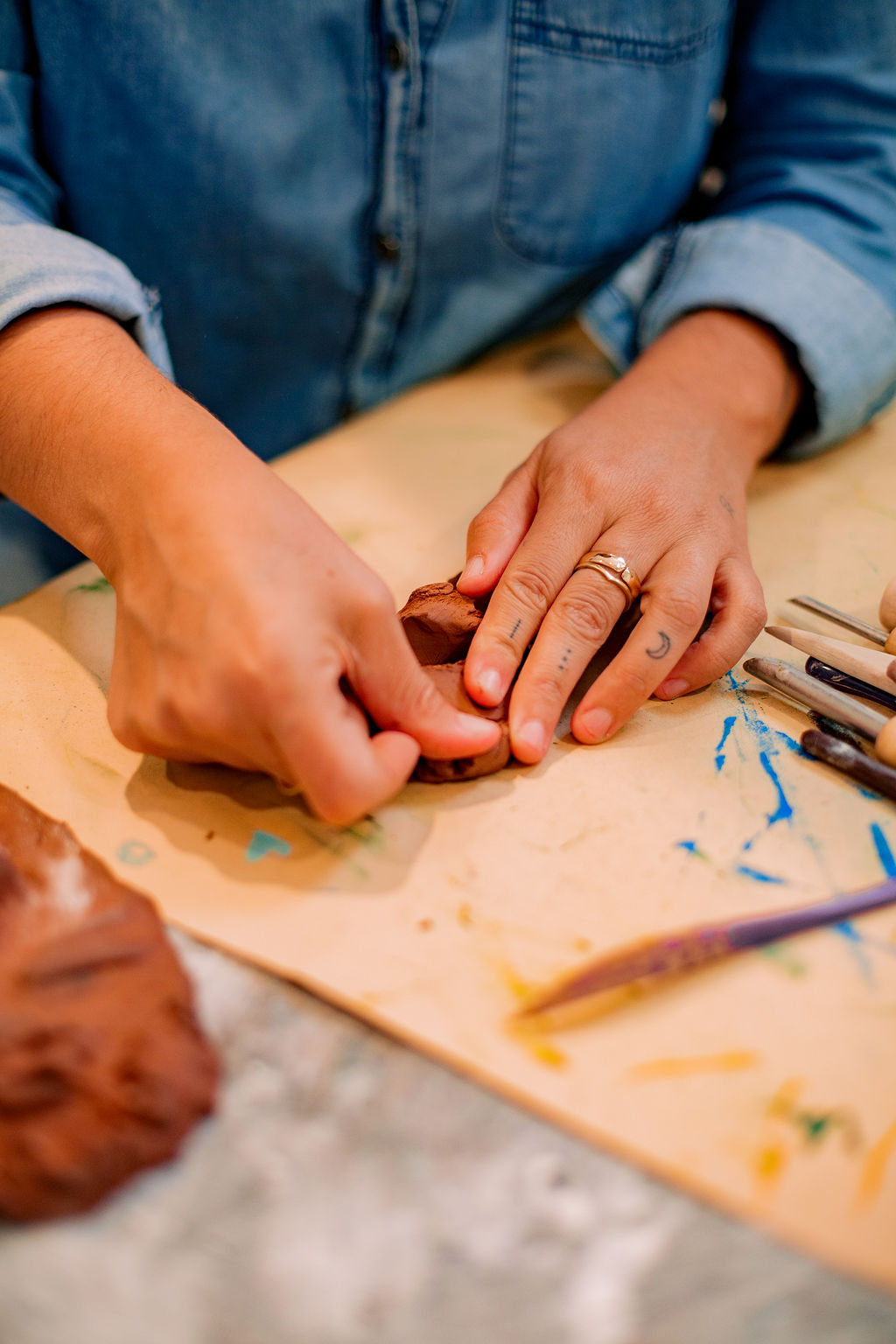
OUTSIDE OURSELVES
Art can make something internal visible and tangible. Once it's in front of us, we can notice it, interact with it, change it, respond to it, and begin to understand it differently.
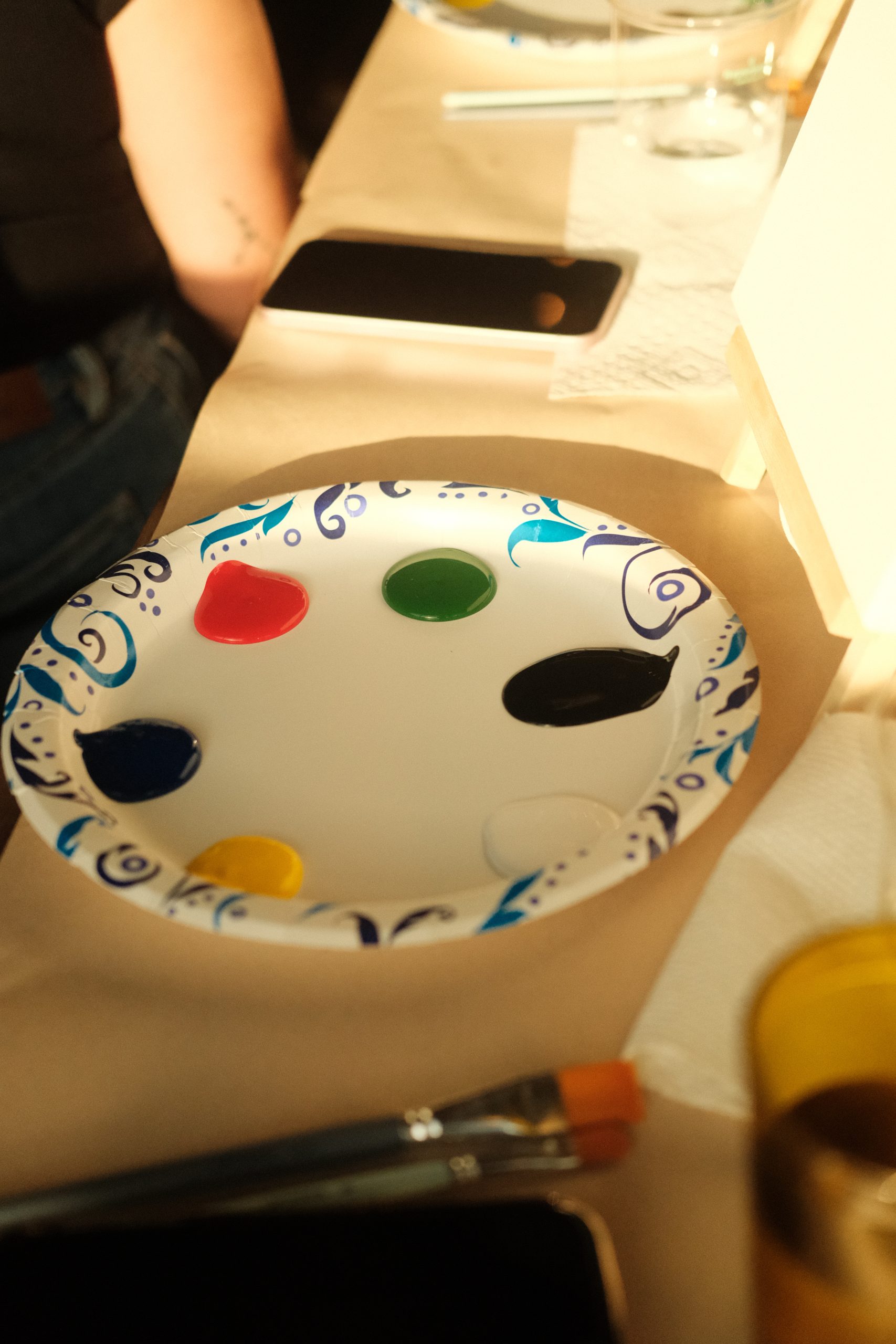
BEYOND WORDS
Not everything we experience arrives as a clear story we can explain. Image, color, shape, metaphor, movement, and material give us other ways to communicate and explore what we know.
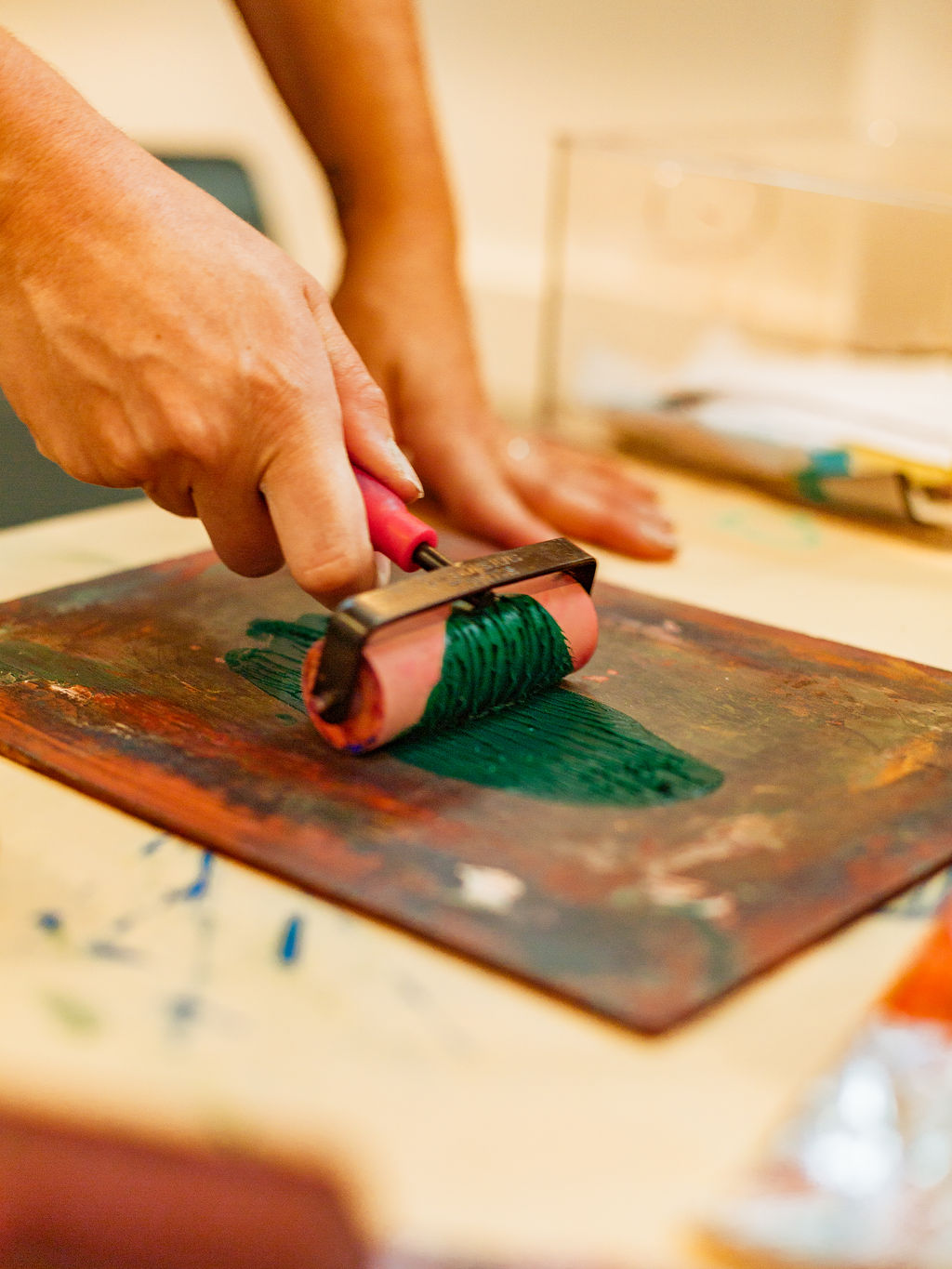
SENSORY+EMBODIED
Art-making engages visual, tactile, sensory, and motor experiences. We aren't only thinking about something—we are physically interacting with materials as we work.
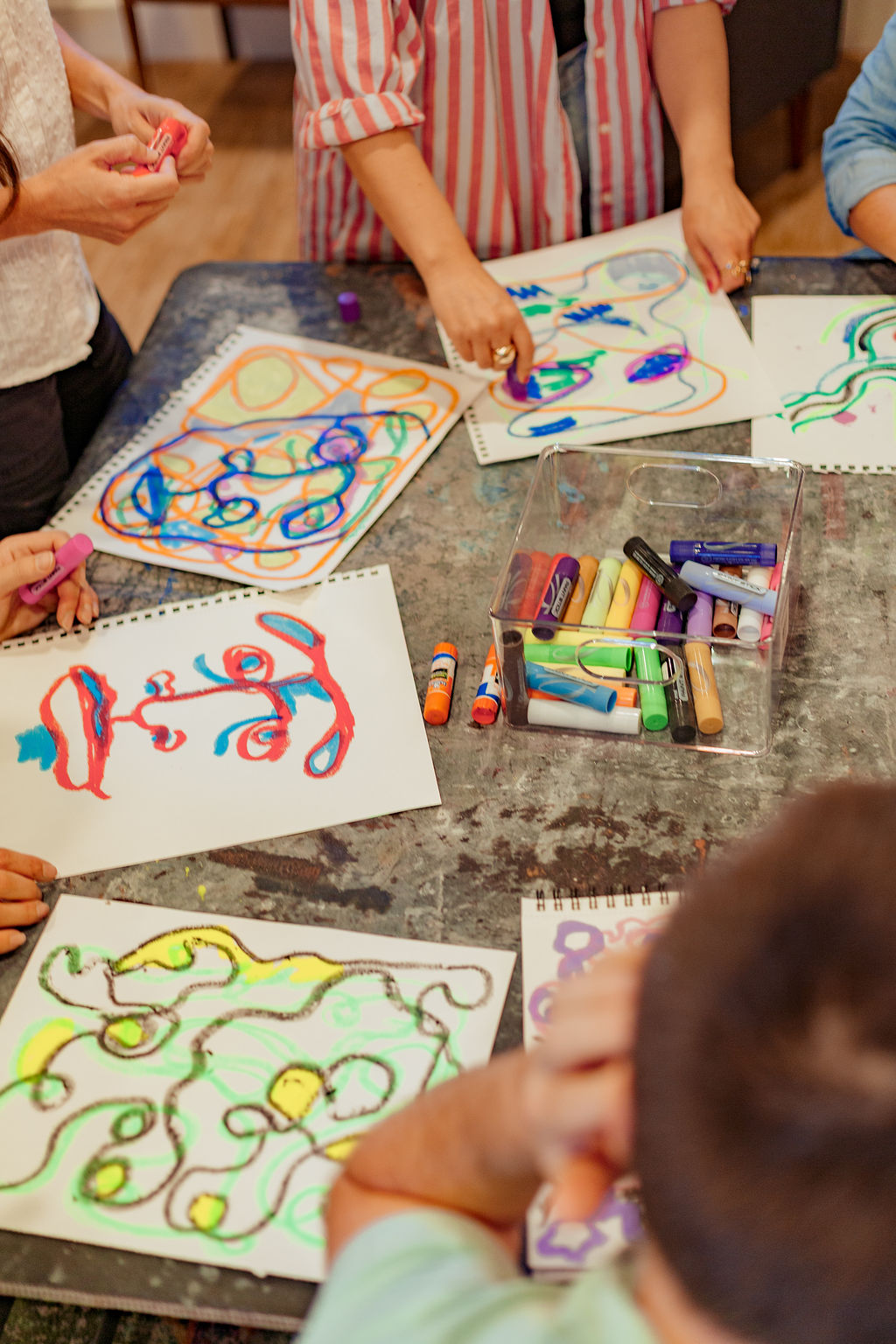
BUT I’M NOT AN ARTIST.
Perfect. You don’t need to be.
Art therapy isn’t about making something beautiful, learning how to draw, or creating something worthy of hanging on your wall. There’s no artistic skill required. No grade. No “good” art. And your therapist isn’t secretly analyzing your drawing to figure out what it says about you.
The goal isn’t to make better art. It’s to make space for something to happen.
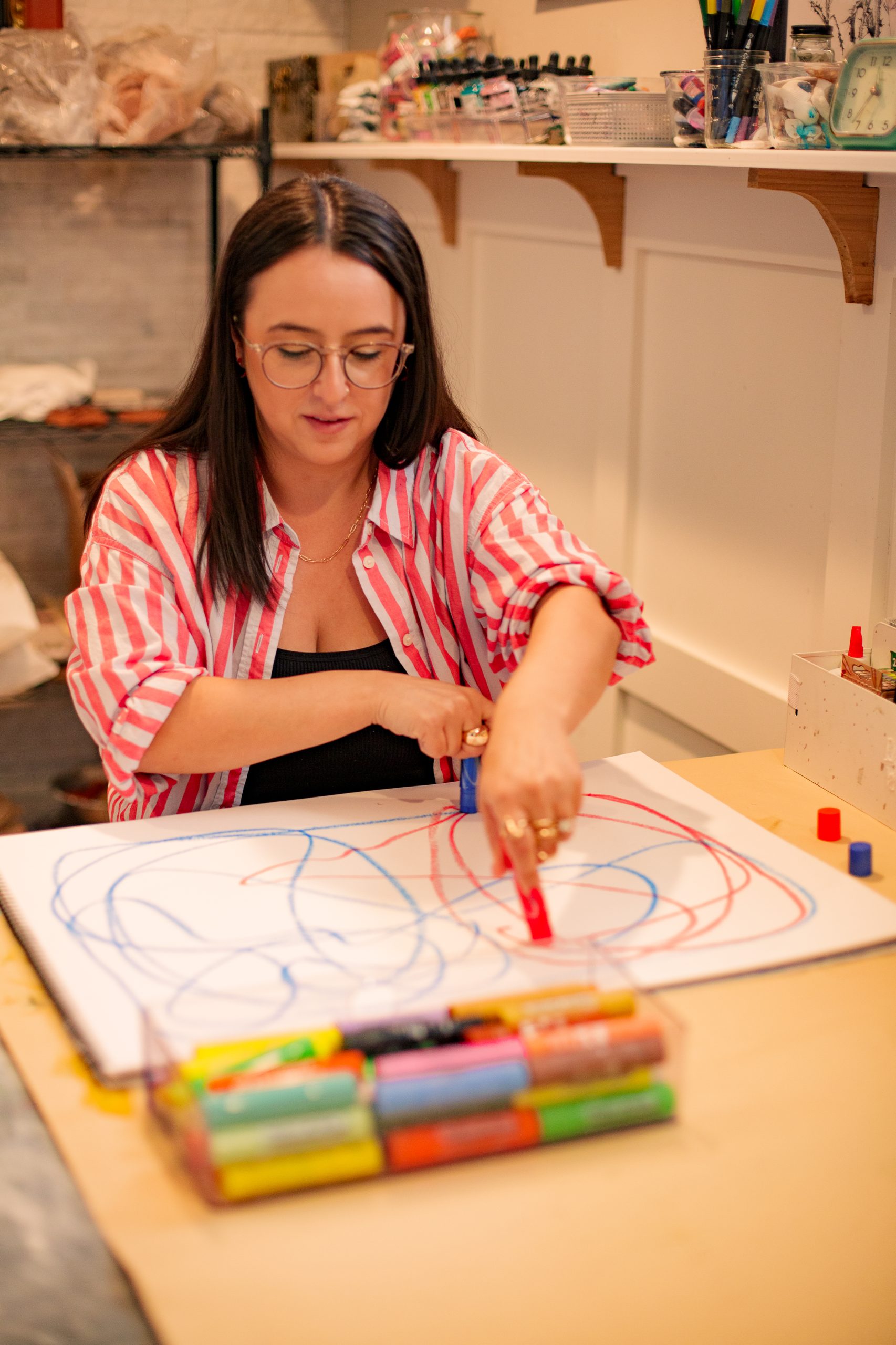
CREATIVE THERAPY IS A PROFESSION.
There is a difference between using art in a therapy session and having specialized training in the creative arts therapies.
Art therapists complete graduate-level education and supervised clinical training in art therapy and psychotherapy. Professional credentials include the ATR (Registered Art Therapist) and ATR-BC (Board Certified Art Therapist).
Expressive arts therapists receive specialized training in an intermodal approach that may integrate visual art, movement, music, writing, drama, and other forms of creative expression. Professional expressive arts credentials include the REAT (Registered Expressive Arts Therapist).
At The Well, we care about these distinctions. Many therapists can thoughtfully incorporate creative interventions into their work, but professional art therapy and expressive arts therapy require specific education, training, and supervision.
Learn About Art Therapy →
Learn About Expressive Arts Therapy →
THERE’S MORE THAN ONE WAY TO WORK CREATIVELY.
SENSORIMOTOR ART THERAPY
Explore a body-based approach to art therapy that works intentionally with sensory experience, movement, art materials, and the nervous system.
GROUP ART THERAPY
Experience the creative process alongside others in a small therapeutic group where art-making, connection, and shared experience become part of the work.
ART THERAPY AT THE WELL
Art therapy has been part of The Well from the beginning.
Our approach is creative, relational, trauma-informed, and attentive to the whole person. We’re interested not only in what you make, but in what happens while you’re making it—what you notice, feel, avoid, discover, remember, tolerate, change, and create.
Our work is also informed by contemporary trauma and expressive arts approaches that recognize healing as more than a cognitive process. We are whole people, and therapy can make room for our bodies, senses, stories, relationships, creativity, and imagination too.
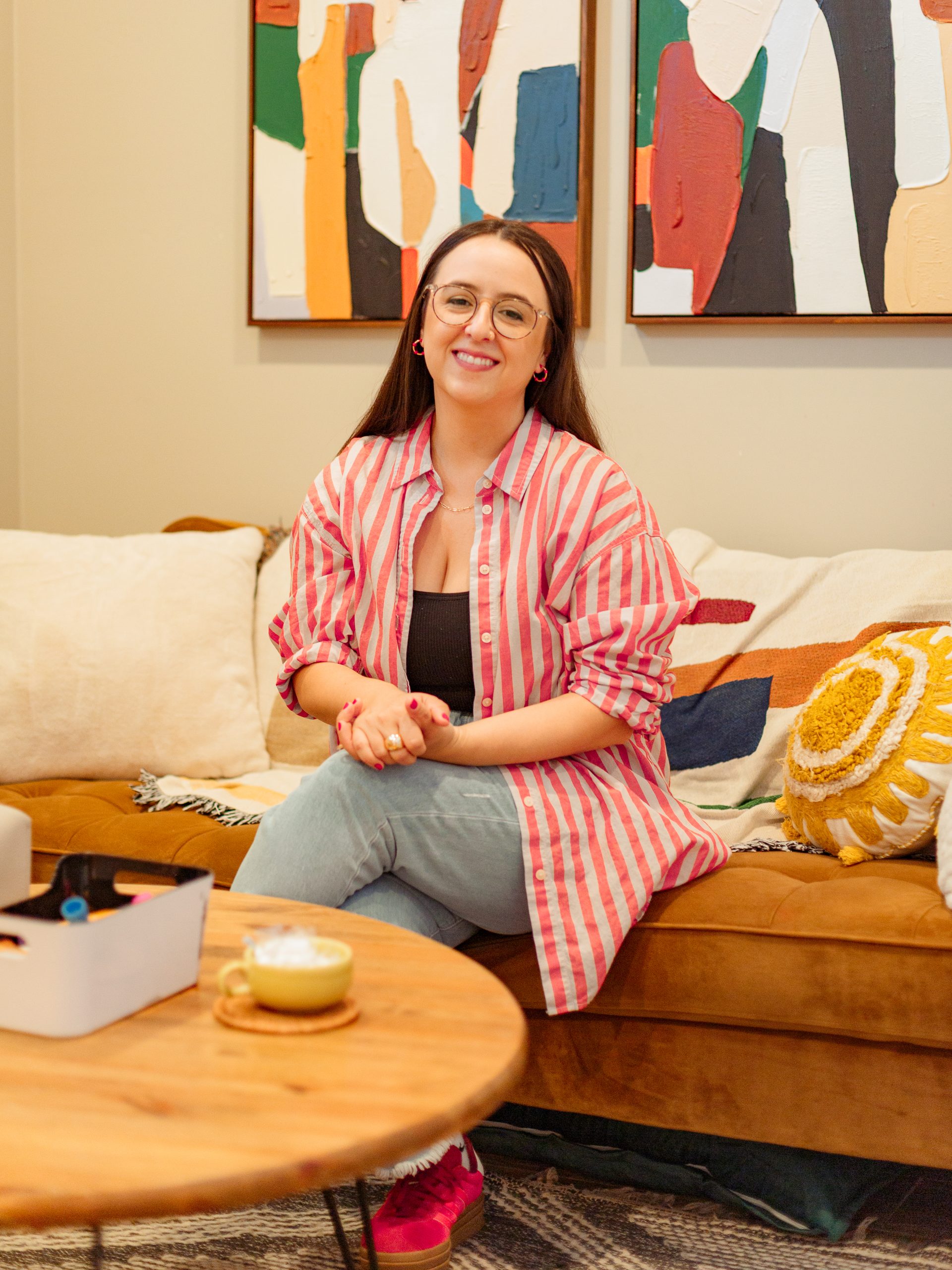
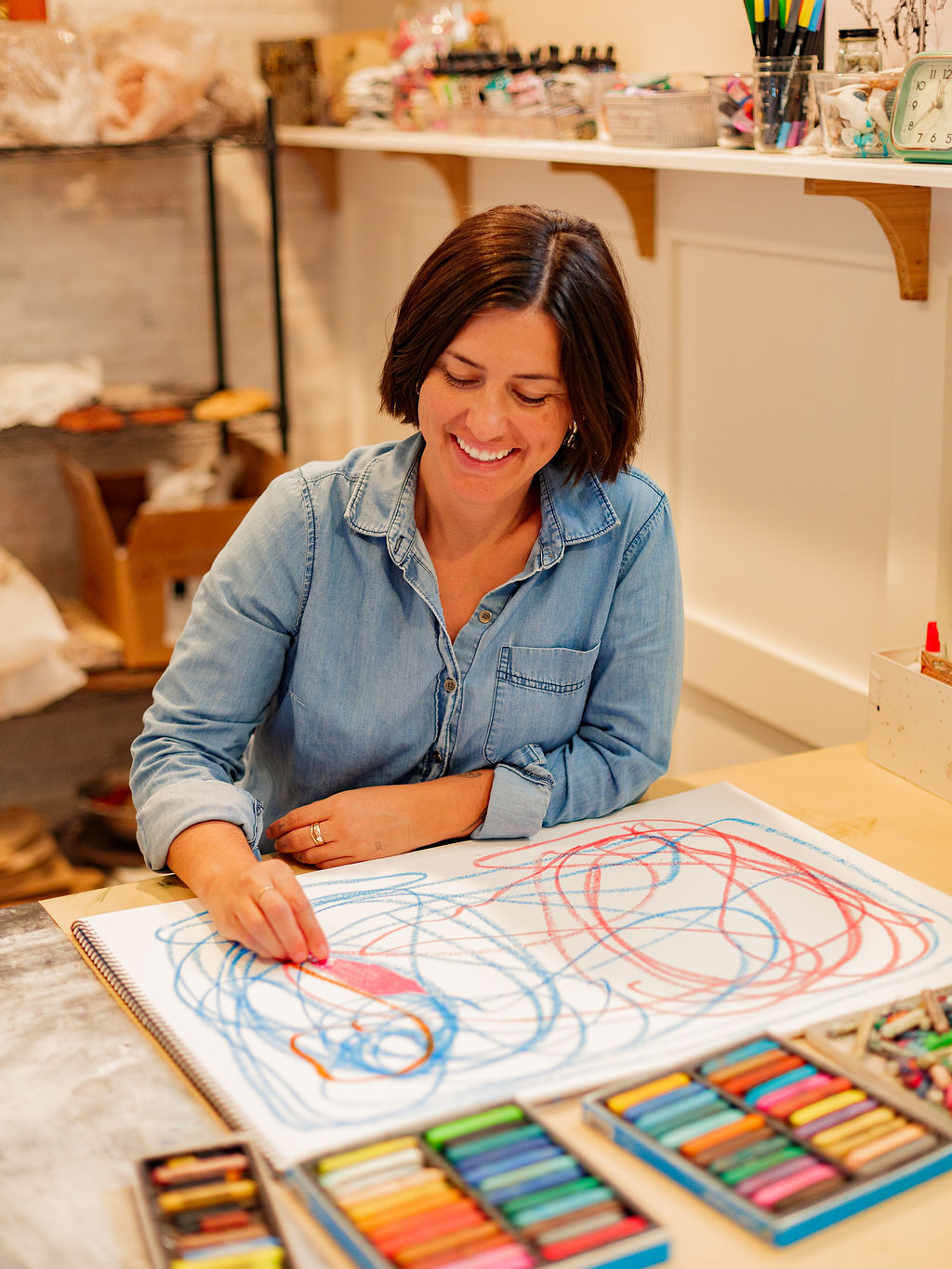
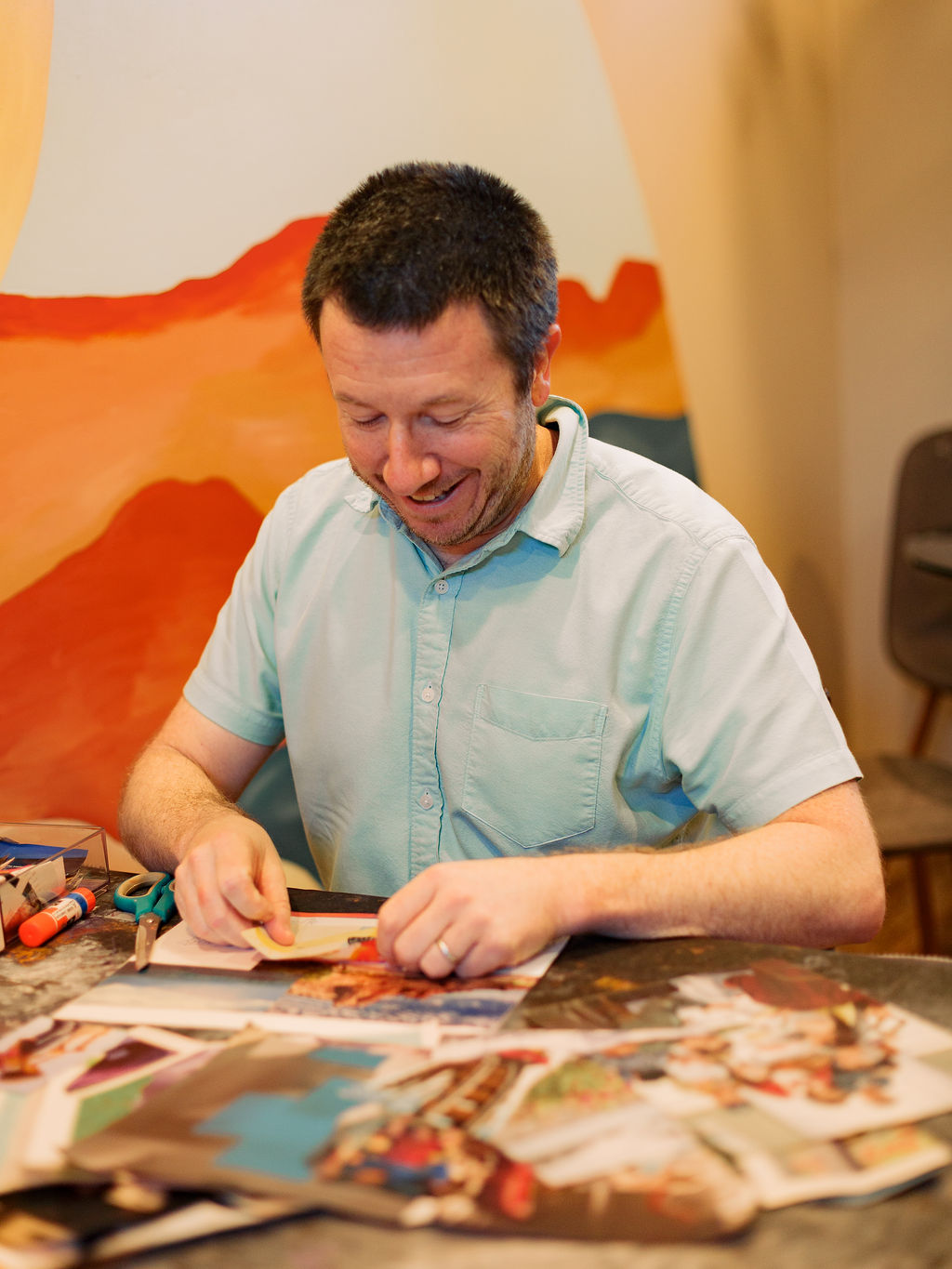
CURIOUS ABOUT ART THERAPY?
You don’t need to know exactly what you’re looking for—or whether art therapy is the right fit yet.
Connect with one of our therapists, ask questions, and we’ll help you figure out your next step.
“Art washes away from the soul the dust of everyday life.” — Pablo Picasso